Shopping cart

What You Need to Know About Teeth

Understanding Your Teeth

  1. Types of Teeth:
    • Incisors: The sharp, front teeth used for cutting food.
    • Canines: Pointed teeth located next to the incisors, used for tearing food.
    • Premolars: Flat-topped teeth behind the canines, used for grinding and crushing food.
    • Molars: The largest teeth at the back of the mouth, designed for grinding food.
  2. Tooth Structure:
    • Enamel: The hard, outer layer that protects the tooth.
    • Dentin: The layer beneath the enamel, which supports and protects the inner pulp.
    • Pulp: The soft tissue inside the tooth that contains nerves and blood vessels.
    • Root: The part of the tooth anchored into the jawbone.

Oral Health Tips

  1. Brushing and Flossing:
    • Brushing: Brush at least twice a day with fluoride toothpaste to remove plaque and prevent cavities.
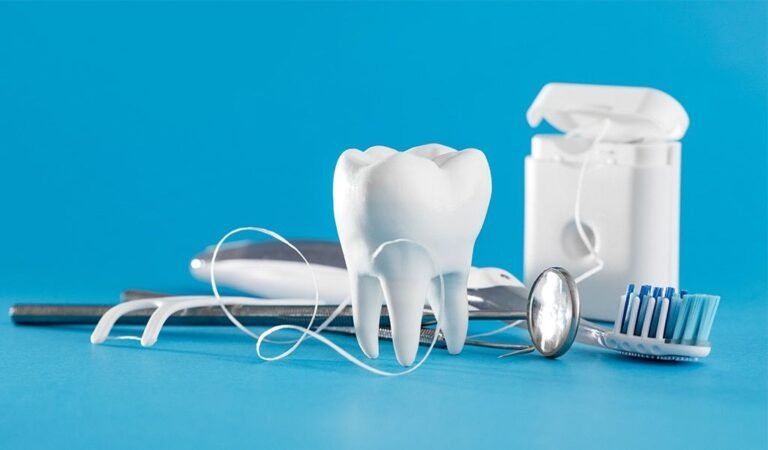
    • Flossing: Floss daily to remove food particles and plaque between teeth.
  2. Diet and Nutrition:
    • Healthy Foods: Eat a balanced diet rich in fruits, vegetables, and whole grains.
    • Limit Sugars: Minimize sugary foods and drinks to reduce the risk of cavities.
  3. Regular Check-Ups:
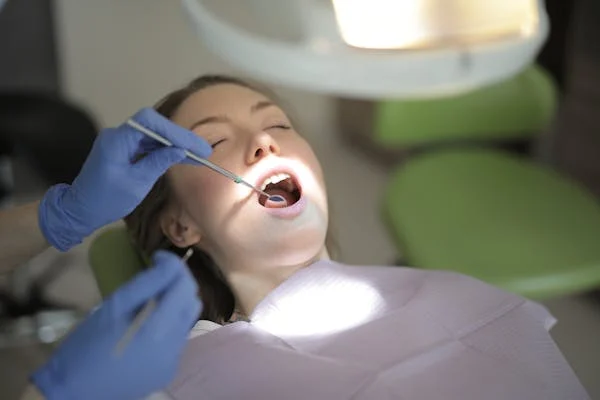
    • Dental Visits: Schedule regular dental check-ups to monitor oral health and address issues early.
    • Cleanings: Professional cleanings help remove tartar and keep your teeth healthy.

Common Dental Issues

  1. Cavities: Decay caused by plaque buildup. Can be prevented with good oral hygiene.
  2. Gum Disease: Infections of the gums that can lead to tooth loss if untreated.
  3. Sensitivity: Discomfort caused by exposed tooth roots or enamel erosion.
  4. Bad Breath: Can be a sign of underlying dental issues or poor oral hygiene.

Preventive Measures

  1. Sealants: Thin coatings applied to the chewing surfaces of teeth to prevent cavities.
  2. Fluoride Treatments: Strengthen tooth enamel and prevent decay.
  3. Mouthguards: Protect teeth from injury during sports or from grinding.

Cosmetic and Restorative Options

  1. Teeth Whitening: Treatments to improve the color of your teeth.
  2. Veneers: Thin shells placed over teeth to correct imperfections.
  3. Crowns and Bridges: Restorations to replace or cover damaged teeth.

When to See a Dentist

  1. Persistent Pain: Contact your dentist if you experience ongoing toothache or gum discomfort.
  2. Gum Issues: Visit your dentist if you notice bleeding gums or persistent bad breath.
  3. Changes in Teeth: Any noticeable changes in the appearance or function of your teeth should be evaluated.

Leave a Comment

Your email address will not be published. Required fields are marked *